
MIRACULOUS ESCAPE FROM DEATH: 12-Year-Old Maya Gebala Finally Discharged From The ICU After The Horrific Tumbler Ridge Tragedy — But Her Secret Battle Has Only Just Begun As Furious Public Outrage Demands Answers!
The breathtaking story of 12-year-old Maya Gebala is currently sending shockwaves across the entire country, transforming a horrific local nightmare into an international symbol of survival. Following a devastating incident in Tumbler Ridge, British Columbia, last February, the young girl was left fighting for her life in critical condition. Today, the news everyone has been desperately waiting for has finally arrived: Maya has officially survived the unthinkable and has been transferred out of the Intensive Care Unit (ICU). However, beneath the surface of this miraculous medical triumph lies a brewing storm of public controversy and a grueling road to recovery that is far from over.
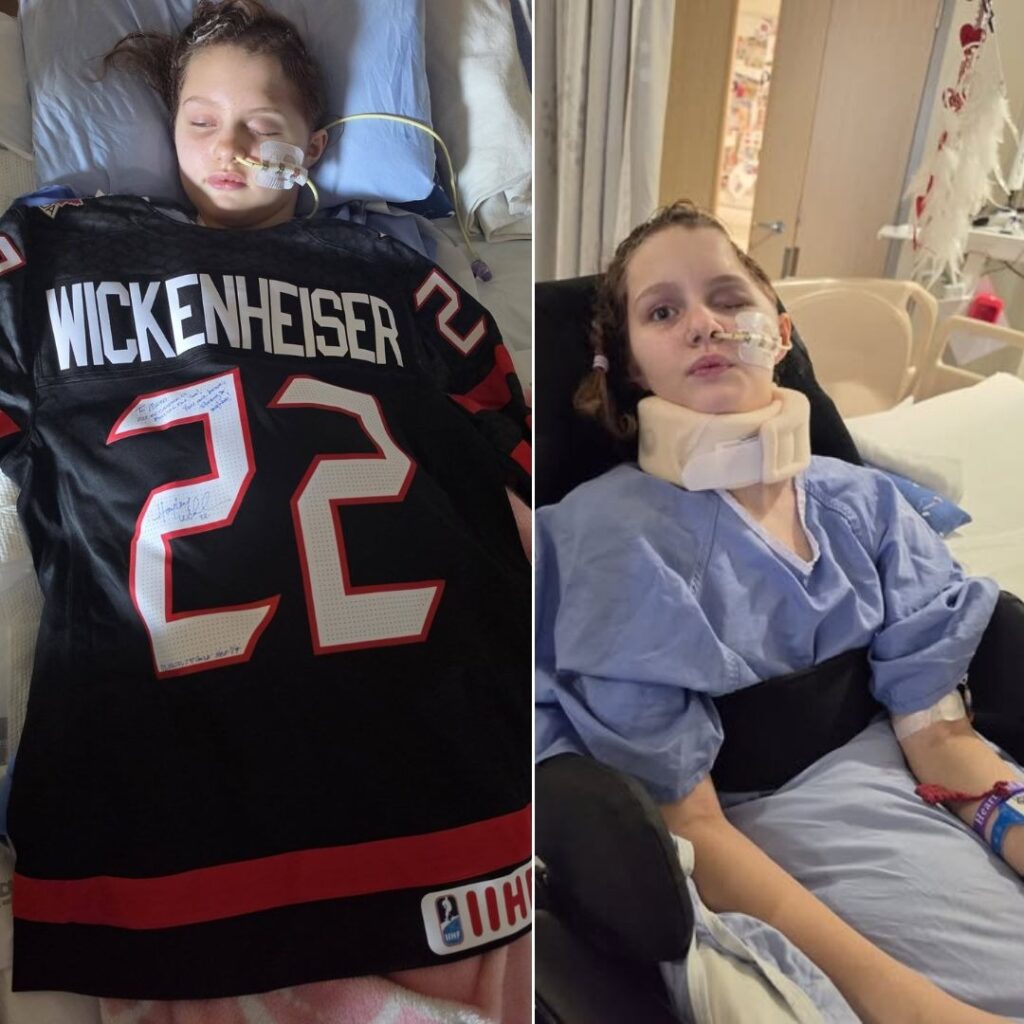
For weeks, Maya’s life hung by a thread at BC Children’s Hospital. Doctors and nurses worked tirelessly around the clock to stabilize the severe, life-threatening injuries she sustained during the tragedy. Now, she has been moved into a specialized recovery-focused unit, marking a monumental turning point in her medical journey. Her vital signs are stable, her skin color is returning to normal, and the agonizing pain that defined her early days in the hospital is finally beginning to subside. This transition is a massive sigh of relief for her family, but medical professionals are quick to caution that surviving the ICU is only the first step in an incredibly long and arduous process.
In a deeply emotional public statement, Maya’s father detailed the agonizing reality of watching his daughter fight for her life. He described the weeks spent inside the ICU as an absolute “whirlwind” of extreme anxiety, where every ticking second felt like an eternity and the suffocating fear of losing her was ever-present. Yet, emerging from that darkness, the family is now experiencing profound gratitude. “Small milestones may seem ordinary to others, but for us, seeing Maya sit up, look around, and hug us was nothing short of a miracle,” he shared, his eyes shining through tears of pure relief. “It’s truly an immense joy to see her back to herself.”
Despite these beautiful moments of connection, the 12-year-old’s medical reality remains intensely challenging. The specialized recovery unit will now focus on heavily coordinated physical therapy, strict nutritional rebuilding, and crucial psychological care. The physical trauma she endured was catastrophic, and doctors emphasize that she will require incredibly close monitoring over the coming weeks. Fully restoring her physical capabilities and mental well-being is a monumental task. It will require unwavering patience, specialized medical intervention, and the continuous, relentless support of both her family and the broader community.
As Maya’s inspiring progress makes international headlines, a starkly contrasting narrative is simultaneously exploding across social media and community forums. While thousands are praising the heroic efforts of the medical community and the boundless love of Maya’s family, a fierce wave of anger and intense public debate is rising. People are no longer just asking how she is recovering; they are angrily demanding to know why she was put in this life-threatening position in the first place.
The Tumbler Ridge incident has ignited a firestorm of criticism regarding local safety protocols and community risk management. Furious citizens are pointing fingers at potential systemic failures, questioning whether standard preventative measures were recklessly ignored by those in charge. “If community safety and preventative measures had been prioritized, perhaps she wouldn’t have had to endure such a nightmare,” one prominent social media user argued, echoing the sentiments of thousands. This tragic event has abruptly become a glaring warning sign about the hidden dangers children face when adult oversight and municipal safety standards fail.
This raging controversy places the public’s focus right at the intersection of a heartwarming survival story and a glaring institutional failure. Are communities truly doing enough to protect their most vulnerable citizens, or are we simply relying on the sheer luck of medical miracles when disaster inevitably strikes? The outrage is palpable, with advocacy groups and local parents demanding immediate investigations and stricter regulations to ensure that no other child in Tumbler Ridge—or anywhere else—has to face the horrors that Maya endured.
Yet, in the eye of this chaotic public storm, Maya continues to fight quietly and bravely. Her resilience is staggering. Her father proudly notes that she now has significantly more energy and has begun actively interacting with friends and hospital staff. Every small action—whether it is sitting up unaided or offering a weak but genuine smile—serves as powerful proof of a child’s extraordinary fighting spirit. She is a living testament to human endurance, proving that even in the face of unimaginable physical and emotional trauma, the will to live can conquer the darkest of circumstances.
Medical experts are keenly aware that the invisible scars often take the longest to heal. While her physical wounds are slowly closing, the psychological impact of the Tumbler Ridge tragedy will require years of delicate navigation. Therapy will become a permanent fixture in her childhood, helping her process the trauma of the event and the prolonged, terrifying hospital stay. The community’s role must now shift from merely celebrating her survival to actively supporting her long-term integration back into a safe, normal life.
Ultimately, Maya Gebala’s story is a profoundly emotional saga of unimaginable pain, fierce resilience, and the power of hope. It is a story that refuses to be neatly tied up with a simple happy ending. It challenges society to look in the mirror and reassess our fundamental responsibilities to child safety. As this brave 12-year-old girl continues her incredible, grueling journey toward recovery, she leaves the world with a vital lesson: miracles do happen, but it is our absolute duty to build a world where our children don’t need miracles just to survive.