

SHOCKING NEW DETAILS: The Mysterious Disappearance of Lily & Jack Sullivan – Disturbing Footage Unveils a Darker Truth! Crime PART 1
Two young children, six-year-old Lily and four-year-old Jack Sullivan, vanished under utterly baffling circumstances from their remote Nova Scotia home on May 2nd, 2025. The mystery deepens with alarming contradictions in timelines, vanished community sightings, and a family history cloaked in disturbing inconsistencies that challenge every known fact about missing children cases.
Lily and Jack disappeared from their worn trailer on Gearlock Road, an isolated dirt road surrounded by dense woods and scattered families. The events defy logic: within a mere 20 minutes, both children allegedly dressed themselves silently, navigated an audibly “silent” door, climbed an unfathomably high fence, and vanished without a trace into the wilderness. Experts call this feat statistically impossible.
Their disappearance triggered an immediate homicide investigation—an unusual and ominous step for children “sent out to play.” The parents’ contradictory statements about that morning’s timeline have cast suspicion and confusion over the investigation. Critical gaps include a mysterious one-hour blackout between the probable disappearance and the emergency call placed to 911, raising chilling questions about what truly transpired.
Multiple reports conflict on basic facts: Daniel, the children’s father figure, claimed to have seen Lily repeatedly yet insisted he never saw Jack, despite knowing the exact clothing details worn by both. Meanwhile, the mother Melia’s description of dozing intermittently while also responding to the children’s noise contradicts itself, presenting further inconsistencies and raising alarm bells.
Lily and Jack’s school attendance in the days leading to their disappearance reveals a disturbing pattern. Official records place their last confirmed day at Salt Springs Elementary School on April 29th, yet for the next 48 to 72 hours, they seemingly vanished from public sight. Neighbors, friends, and school staff reported no contact with the children during this critical window, a glaring red flag in such a tight-knit rural community.
Descriptions of the children’s behavior are rife with contradictions. While their parents claim undiagnosed autism and severe communication impairments, multiple eyewitnesses describe Lily as an outgoing 𝒹𝓇𝒶𝓂𝒶 queen and Jack as a vocal, interactive child with a penchant for mischief. These opposing characterizations create an impossible dual narrative challenging the reliability of parental accounts.
The family dynamic compounds the mystery. Lily and Jack’s biological father is conspicuously absent from all official reports and media coverage. His existence seems erased, even though some sources hint at house arrest status. This erasure raises urgent questions about potential motives, family instability, and undisclosed hidden tensions at play inside the household.
Daniel Martell, a man working only one day a week, supports a family of five on an unexplainable income, generating skepticism from investigators and community members alike. His sporadic employment and unusual living conditions—including a trailer cluttered with animals and disarray—paint a backdrop of instability around the children’s last known environment.
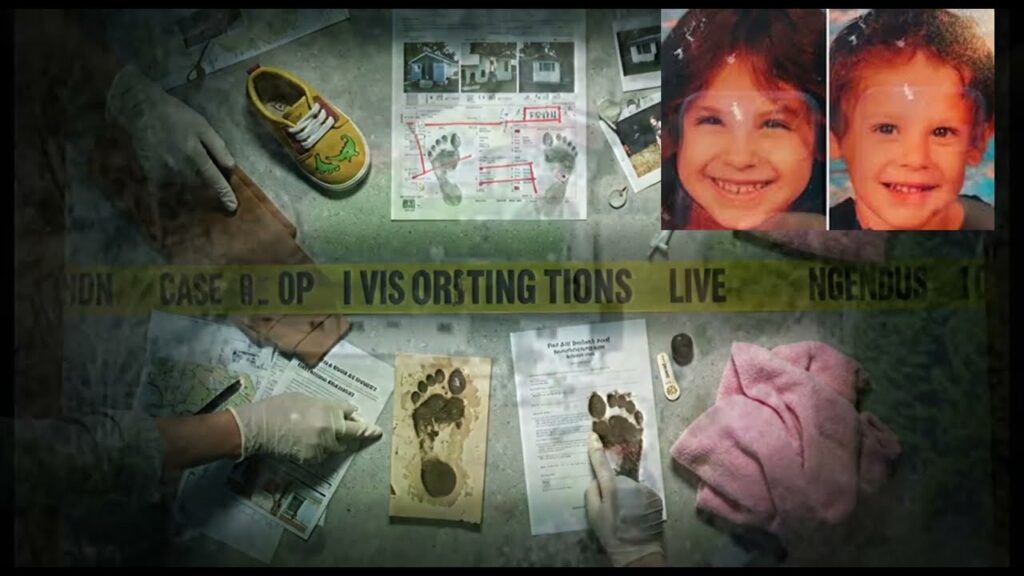
The insulated nature of the family’s isolated New Scotland life deepened following Melia’s move away from her Meekmack community—her own cultural support network—into Daniel’s secluded property. This shift from a culturally rich environment to an alienating and rundown rural area may have contributed to the children’s isolation and vulnerability.
Investigators uncovered disturbing details about the “silent door” through which the children escaped, an uncommon and dangerous household feature for families with young kids. Despite a history of leaving this door propped open, it was found carefully closed on the day of disappearance—a puzzle piece that hints at calculated intent or external interference.
The timeline irregularities explode when examining the 911 call made nearly two hours after the children’s disappearance window. Police dispatch documented the time of vanishing as 8 a.m., yet the official parents’ report sets it closer to 9:40 a.m., creating a shadowy, unexplained hour with no public witnesses or confirmed events.
The children’s scattered toys found around the property after their disappearance look less like remnants of everyday play and more like chilling evidence of an abrupt and unnatural interruption. Their home, marked by poverty and disorder, held an unsettling atmosphere of faded innocence shattered by deep secrets.
School insiders recount the children’s contrasting interests and personality—Jack’s fascination with bugs and Lily’s enthusiasm for attention—directly conflicting with parental claims of withdrawal. The inconsistencies between home descriptions and community observations deepen doubts about the narrative the family has presented to investigators.
The 48 to 72 hours prior to disappearance showed an eerie invisibility. No recorded community sightings during this time frame suggest isolation that defies norms for social, talkative children. This blank period in the children’s timeline demands urgent scrutiny, as it may hold the key to uncovering what ultimately led to their disappearance.
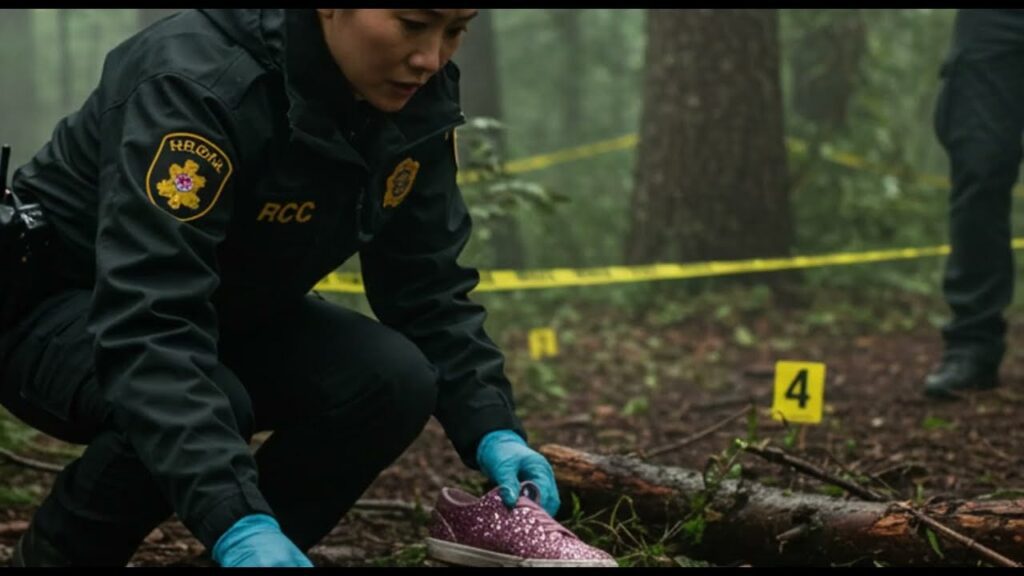
Daniel’s fluctuating explanations about the children’s school attendance—from sporadic days absent to full week no-shows—further erode trust. This shifting account obstructs investigators’ efforts to pinpoint the children’s whereabouts and wellbeing during the days leading up to May 2nd and raises grave concerns about potential prior harm.
The alleged autism diagnosis covering the children’s socially inconsistent behaviors remains unconfirmed by any medical authority. It appears to function more as a smokescreen masking the reality of the children’s true social interactivity, casting a shadow over parental credibility and hinting at possible intentional deception.
Mary Brooks Murray’s choice to sever ties with her traditional Meekmack roots and relocate to a culturally foreign, isolated territory is another piece of a complex puzzle. Such a drastic move suggests external pressures or unresolved trauma, factors that might have contributed to the heightened risks faced by her children in these last days.
Multiple interviews hint at a dark backstory suppressed in public discourse. The biological father’s near-total erasure from reports, the dubious family circumstances, and the chilling disappearance timeline converge to paint a scene of potential systemic 𝓪𝓫𝓾𝓼𝓮 or exploitation, a suspicion under fierce examination by homicide divisions.
The broader community’s silence about the children over those critical final days contrasts starkly with their known lively behaviors, underscoring the peculiarity of their disappearance. In a population where everyone is familiar, two socially vocal children becoming ghosts overnight remains beyond explanation.
Investigators’ uncovering of these anomalies has expanded the case into an intense inquiry involving child protection authorities, homicide detectives, and forensic specialists. Every minute detail—contradictory testimonies, unexplained absences, strange household conditions—feeds into a growing urgency to understand the fate of Lily and Jack.

The families’ contradictions, unexplained absences, and the eerie quiet around missing children narratives now demand ruthless transparency. The case shocks public sensibilities because it not only involves the welfare of two innocent children but challenges fundamental assumptions about safety in close-knit communities.
The haunting art left behind by Lily and Jack offers a stark window into their lives—drawings expressing love for normal childhood moments juxtaposed with their sudden, unexplained disappearance. These artworks have become poignant symbols in memorializing their innocence snatched too soon.
Emergency services continue to comb dense Nova Scotia wilderness with no definitive leads. Police confirm that the unknowns surrounding the timeline may hold clues vital to solving this case. The mysterious “black hole” between last confirmed sighting and distress call remains under high-priority investigation.
As this investigation unfolds, the community and the nation grapple with unsettling questions about protection failures, possible concealment, and unseen dangers lurking behind closed doors. The case of Lily and Jack Sullivan becomes a stark reminder of how fragile child safety can be when shadows fall over truth.
Authorities urge anyone with information, no matter how minor, to come forward. The complexities and contradictions compounding this case underline the desperate need for collective vigilance to uncover the facts behind this baffling disappearance.
This evolving story demands rapid attention and relentless pursuit of honesty to provide justice for two vulnerable children lost amid suspicious shadows. For now, the fate of Lily and Jack Sullivan remains an urgent, haunting mystery that challenges every understanding of child disappearance.
As the search intensifies, the glaring question remains: what dark forces orchestrated the impossible vanishing of two innocent children in the heart of Nova Scotia, in a case that will test every boundary of reason and justice? The world awaits answers.