

The Surveillance Paradox: Declassifying the Final Transit of Athena Strand
The cold, silicon memory of a modern delivery vehicle has yielded a haunting visual artifact that fundamentally recalibrates the judicial and public understanding of the Athena Strand capital murder trial in Tarrant County.
This newly surfaced image, captured by the internal monitoring system of Tanner Horner’s vehicle, presents a chilling contradiction to the defendant’s initial narrative of a localized traffic mishap.
Within the academic framework of forensic investigation, the image suggests a predatory abduction rather than a panic-induced accident; it depicts the young subject standing in the rear of the truck, physically intact and displaying a state of heightened cognitive alertness.
This digital evidence acts as a temporal anchor, proving that at the moment of capture, the physical trauma ᴀssociated with a high-mᴀss vehicle impact was nonexistent. The stillness of the frame belies the psychological turbulence of the event, transforming a routine commercial cabin into a sterile, localized theater of horror.
Analyzing the structural components of this image reveals a chilling power dynamic that is as academic in its precision as it is devastating in its human cost.
Prosecutors have utilized this forensic record to dismantle the “accidental hit” confession, pointing to the upright posture and lack of visible injury as definitive proof of a calculated abduction.
The metadata of this digital shroud aligns with the timeline of Horner’s alleged directive—”Don’t scream or I’ll hurt you”—suggesting a rapid transition from a mundane suburban delivery to a sinister custodial kidnapping.
From a forensic perspective, the image serves as a “high-fidelity witness” that does not suffer from the erosion of human memory or the bias of a perpetrator’s panic.
The grainy, low-light aesthetic of the security feed provides a raw, unfiltered look at the intersection of modern logistics and ancient malevolence, documenting the precise instant where a child’s life was diverted into an irreversible and tragic trajectory.
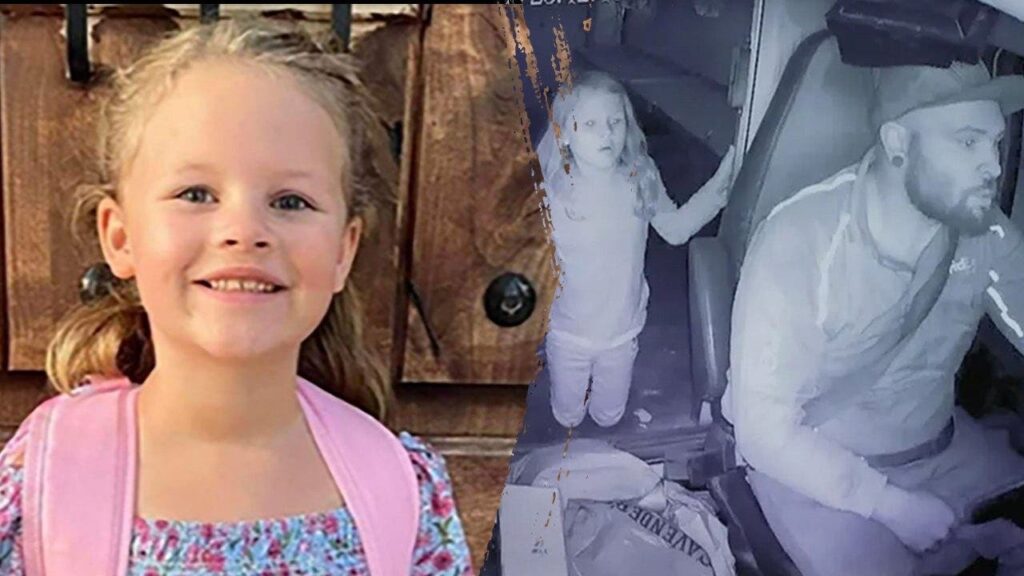
The veracity of this evidence within the current socio-legal landscape is corroborated by the undeniable integration of DNA sequencing and real-time digital surveillance.
The prosecution’s focus on biological material found in highly suspicious locations, when synthesized with this visual record, forms a comprehensive map of a predatory motive that defies simple explanation.
Skepticism regarding the authenticity of the pH๏τo is neutralized by the internal consistency of the vehicle’s telemetry and the standardized technical specifications of global shipping fleets.
This is not a fabricated scenario but a declassified glimpse into a systemic breakdown of safety, where the very tools designed for commercial accountability recorded the ultimate betrayal of the social contract.
The image stands as a verifiable forensic anchor, stripping away the polish of legal defense to reveal the stark, academic reality of a life held in the balance between the mundane and the monstrous.
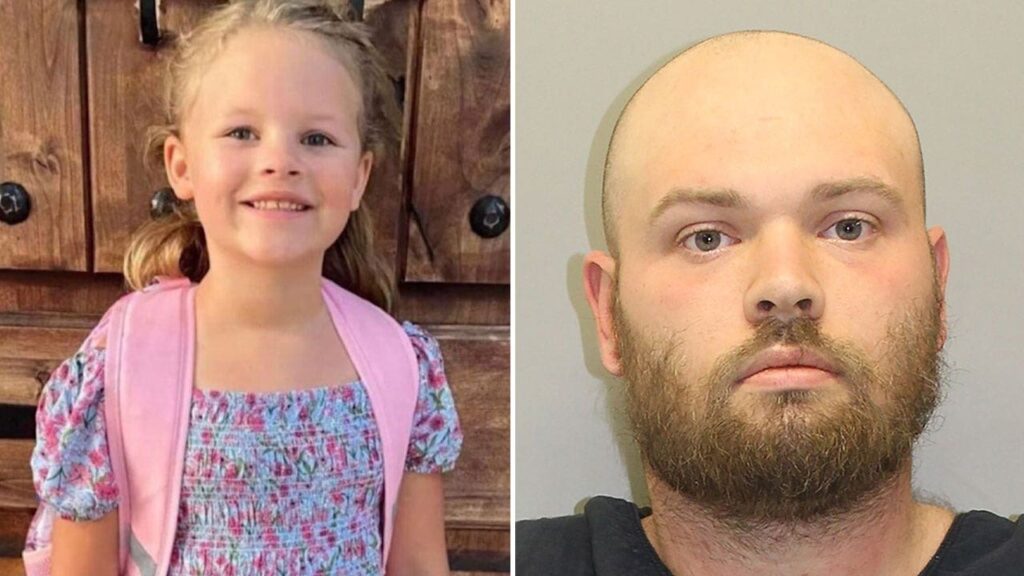
The legacy of Athena Strand now exists within the pressurized silence of a jury’s deliberation, where these digital remains serve as her final, incontrovertible testimony.
This document, presented as an analytical summary of a localized tragedy, underscores the reality that the most profound dangers often hide behind the facade of everyday service.
As the death penalty phase looms, the image of Athena in the back of the truck remains a haunting reminder of the fragility of innocence in an era of total surveillance.
It is a forensic artifact that demands a high level of analytical detachment to process, yet it carries an emotional weight that challenges the clinical boundaries of the courtroom.
By lifting the digital shroud, the state has moved the case into the definitive territory of a calculated strike, ensuring that the true nature of Horner’s actions is rendered in a light that no confession of panic can ever obscure.

NEW YORK, United States — Authorities continue to investigate a tragic runway collision at LaGuardia Airport that claimed the lives of two pilots, including Antoine Forest, a 30-year-old Canadian aviator whose…
In a move that has transformed the Strait of Hormuz into a treacherous battleground, the Islamic Revolutionary Guard Corps (IRGC) has unleashed a wave of chaos by dumping thousands of primitive…
The Surveillance Paradox: Declassifying the Final Transit of Athena Strand
The cold, silicon memory of a modern delivery vehicle has yielded a haunting visual artifact that fundamentally recalibrates the judicial and public understanding of the Athena Strand capital murder trial in Tarrant County.
This newly surfaced image, captured by the internal monitoring system of Tanner Horner’s vehicle, presents a chilling contradiction to the defendant’s initial narrative of a localized traffic mishap.
Within the academic framework of forensic investigation, the image suggests a predatory abduction rather than a panic-induced accident; it depicts the young subject standing in the rear of the truck, physically intact and displaying a state of heightened cognitive alertness.
This digital evidence acts as a temporal anchor, proving that at the moment of capture, the physical trauma ᴀssociated with a high-mᴀss vehicle impact was nonexistent. The stillness of the frame belies the psychological turbulence of the event, transforming a routine commercial cabin into a sterile, localized theater of horror.
Analyzing the structural components of this image reveals a chilling power dynamic that is as academic in its precision as it is devastating in its human cost.
Prosecutors have utilized this forensic record to dismantle the “accidental hit” confession, pointing to the upright posture and lack of visible injury as definitive proof of a calculated abduction.
The metadata of this digital shroud aligns with the timeline of Horner’s alleged directive—”Don’t scream or I’ll hurt you”—suggesting a rapid transition from a mundane suburban delivery to a sinister custodial kidnapping.
From a forensic perspective, the image serves as a “high-fidelity witness” that does not suffer from the erosion of human memory or the bias of a perpetrator’s panic.
The grainy, low-light aesthetic of the security feed provides a raw, unfiltered look at the intersection of modern logistics and ancient malevolence, documenting the precise instant where a child’s life was diverted into an irreversible and tragic trajectory.
The veracity of this evidence within the current socio-legal landscape is corroborated by the undeniable integration of DNA sequencing and real-time digital surveillance.
The prosecution’s focus on biological material found in highly suspicious locations, when synthesized with this visual record, forms a comprehensive map of a predatory motive that defies simple explanation.
Skepticism regarding the authenticity of the pH๏τo is neutralized by the internal consistency of the vehicle’s telemetry and the standardized technical specifications of global shipping fleets.
This is not a fabricated scenario but a declassified glimpse into a systemic breakdown of safety, where the very tools designed for commercial accountability recorded the ultimate betrayal of the social contract.
The image stands as a verifiable forensic anchor, stripping away the polish of legal defense to reveal the stark, academic reality of a life held in the balance between the mundane and the monstrous.
The legacy of Athena Strand now exists within the pressurized silence of a jury’s deliberation, where these digital remains serve as her final, incontrovertible testimony.
This document, presented as an analytical summary of a localized tragedy, underscores the reality that the most profound dangers often hide behind the facade of everyday service.
As the death penalty phase looms, the image of Athena in the back of the truck remains a haunting reminder of the fragility of innocence in an era of total surveillance.
It is a forensic artifact that demands a high level of analytical detachment to process, yet it carries an emotional weight that challenges the clinical boundaries of the courtroom.
By lifting the digital shroud, the state has moved the case into the definitive territory of a calculated strike, ensuring that the true nature of Horner’s actions is rendered in a light that no confession of panic can ever obscure.
NEW YORK, United States — Authorities continue to investigate a tragic runway collision at LaGuardia Airport that claimed the lives of two pilots, including Antoine Forest, a 30-year-old Canadian aviator whose…
In a move that has transformed the Strait of Hormuz into a treacherous battleground, the Islamic Revolutionary Guard Corps (IRGC) has unleashed a wave of chaos by dumping thousands of primitive…
The Heartbreaking Jail Letters Tanner Horner Wrote Before His Suicide Attempt Are Now Public. The sentencing phase of Tanner Horner’s trial for the 2022 kidnapping…
A series of long-circulating claims has once again drawn attention to the early financial origins of Jeffrey Epstein—raising new questions about how a relatively unknown figure in…
Dover, Delaware / Ohio — A solemn dignified arrival ceremony was held to honor three Ohio-based U.S. airmen who were killed earlier this month when a military refueling…