
After the tragic death of 7-year-old Athena Strand, investigators examined the suspect’s phone activity—and what they found raised disturbing questions.
Searches made shortly after the incident are now part of the case, offering a glimpse into the timeline authorities are working to piece together.
In court, these digital clues are being scrutinized alongside testimony, as the full story continues to unfold.
What do those final moments reveal—and how will they shape the outcome?
The Digital Trail of a Killer: Phone Records and Forensic Truth in the Tanner Horner Trial
FORT WORTH, TEXAS — In the modern age of criminal investigation, a suspect’s smartphone often serves as a second, unfiltered conscience. As the second week of the punishment phase for Tanner Horner commenced on Monday, April 20, 2026, the prosecution pivoted from physical forensics to digital footprints. The testimony of FBI experts and the release of recorded jailhouse phone calls have painted a devastating picture of a man more concerned with his own capture than the life he had just extinguished.
Tanner Horner, 34, has already pleaded guilty to the capital murder of seven-year-old Athena Strand. However, as jurors deliberate between a sentence of life without parole or the death penalty, the evidence presented by the state aims to prove that Horner’s actions were not those of a man in a “panic,” as he claimed, but those of a calculating individual attempting to evade justice.
“Do Truck Cameras Record?”: The Search for Loopholes
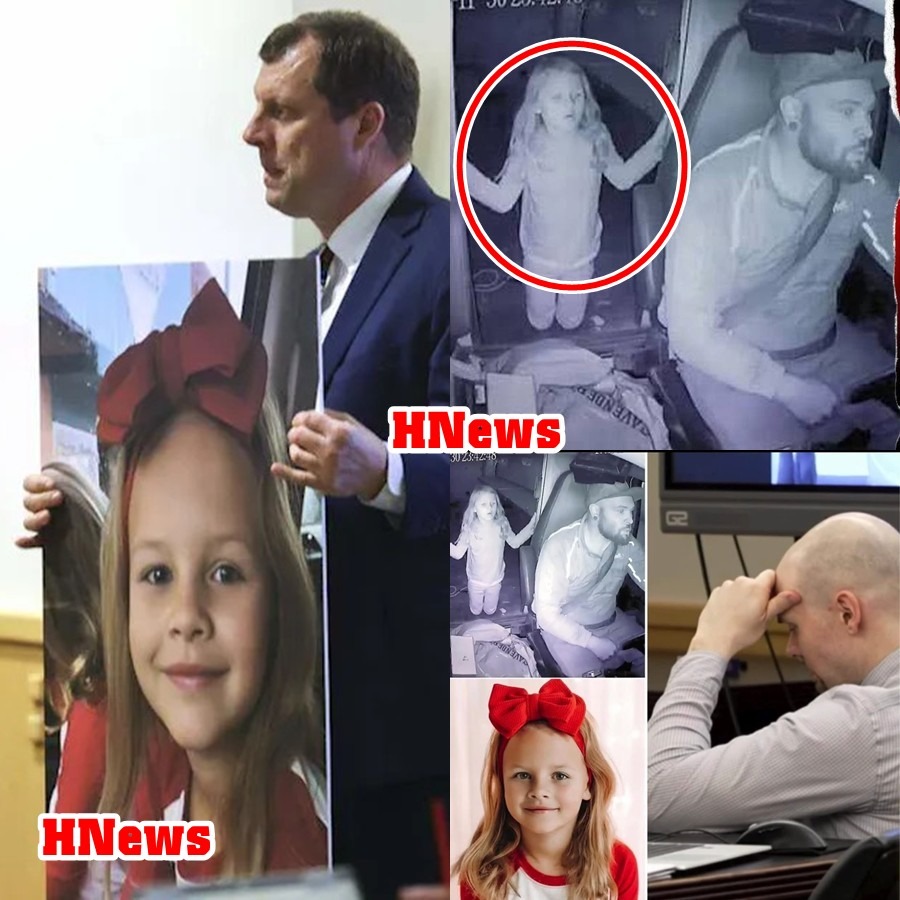
The day’s most damning testimony came from Scott Morris, a Digital Forensic Examiner for the FBI. Morris was tasked with dissecting the contents of Horner’s cellphone, specifically his browser cache and search history from the hours and days following Athena’s disappearance on November 30, 2022.
According to Morris, on December 1—while an entire community was scouring the woods of Paradise, Texas, for the missing girl—Horner was busy at his keyboard. The digital forensic trail revealed that Horner searched for:
- “Paradise missing girl”
- “Do FedEx truck cameras constantly record?”
The latter search is particularly significant. Horner’s initial defense was built on the narrative of a tragic accident; he claimed he hit Athena with his van, panicked, and killed her to keep her from telling. However, the prosecution argued that his preoccupation with the truck’s recording capabilities suggests a man looking for witnesses to his crime—digital or otherwise.
Morris explained that the browser cache stores data from visited websites and searches even if the user attempts to delete their history. For the jury, this evidence provided a window into Horner’s mind: a predator checking to see if his employer’s technology had caught him in the act of abduction.
The Medical Examiner: A Death Defined by Suffering
While the digital evidence spoke to Horner’s state of mind, Dr. Jessica Dwyer, a medical examiner, provided a harrowing account of Athena’s physical final moments. Dwyer testified that the cause of death was a combination of blunt force injuries, smothering, and strangulation.
Crucially, Dwyer addressed the question of pain. Under questioning from the prosecution, she stated her professional belief that Athena Strand suffered before she died. This testimony directly contradicts any lingering notion that the child’s death was quick or “accidental.”
Regarding the allegations of sexual assault—a point Horner has vehemently denied—Dwyer noted that while physical evidence of sexual trauma was not found during the autopsy, its absence “does not rule out the occurrence of an assault.” This clinical distinction allows the jury to consider the totality of the circumstances, including the audio recordings previously played in court where Athena was heard pleading for her mother and refusing to remove her clothing.
Jailhouse Confessions: “I Just Know How You Get”
The prosecution further humanized the tragedy—and demonized the defendant—by playing five separate recorded phone calls between Horner and his family members from the Tarrant County Jail. These recordings offered a rare, unvarnished look at Horner’s interactions with those who knew him best.
In one chilling conversation, Horner’s mother questioned him about the specifics of the abduction.
Mother: “What did you do? Did she die on her own?” Horner: “No.” Mother: “Oh my God.” Horner: “I know.”
The most revealing moment of the call came when his mother addressed the possibility of sexual abuse. When Horner denied doing anything “weird,” his mother responded with a cryptic and troubling phrase: “OK. I didn’t think you did. I just know how you get.”
Horner’s defense for his behavior was clinical rather than moral. He told his mother that due to his medication, he “barely even has a libido as it is.” In a separate call with his grandmother, Horner blamed his “breakdown” on a lack of medication, claiming he hadn’t taken it for weeks and was feeling “emotional.” He reportedly broke down in tears during the call—not for Athena, but because he realized he would not be able to spend Christmas with his own young son.
The Letter: Remorse or Performance?
The court also reviewed a letter Horner wrote to Athena’s family. In the letter, Horner apologized for his “breakdown” and claimed to be haunted by sleepless nights.
“You’ll never get to see your baby girl grow up. And I’m sorry,” the letter read.
However, the prosecution highlighted the contrast between these written apologies and Horner’s actual behavior: searching for camera recording schedules and complaining about his own missed Christmas. To the Strand family, the letter offers little solace. Athena’s father, Jacob Strand, has already filed a civil lawsuit against Horner, FedEx, and the contractor that hired him, alleging gross negligence in the hiring process.
The Barbie Boxes and the Final Betrayal
The trial has consistently returned to the heartbreaking irony of the day of the murder. Horner was at the Strand property to deliver a package of Barbie dolls—intended to be Athena’s Christmas present.
Athena was just days away from returning to Oklahoma to be with her mother, Maitlyn Gandy, after spending time with her father in Paradise. Instead of a holiday reunion, her family spent 72 hours in a frantic search that ended on December 2, 2022, when her body was found less than 10 miles from her home.
As the punishment phase continues, the jury is left to weigh the digital evidence of a man checking for cameras against the medical evidence of a child who died in pain. With the FBI’s digital forensic report now part of the record, the “accidental” narrative Horner once clung to has been replaced by the image of a killer who was only sorry he might have been caught on tape.
The trial continues tomorrow, with additional witnesses expected to testify regarding Horner’s history and the impact of the murder on the Paradise community.