

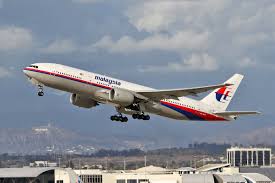
On March 8, 2026, the world marked the 12th anniversary of one of aviation’s greatest unsolved mysteries: the disappearance of Malaysia Airlines Flight MH370. What began as a routine overnight journey from Kuala Lumpur to Beijing on March 8, 2014, turned into a global enigma when the Boeing 777-200ER, carrying 227 passengers and 12 crew members from 14 nationalities, vanished from radar screens less than an hour after takeoff. Despite one of the most extensive and expensive search operations in history, the main wreckage of the aircraft has never been located, leaving families, investigators, and the public without definitive answers about what happened or why.
The flight’s transponder was switched off around 1:21 a.m., and military radar later tracked the plane making a sharp turn westward, flying back over the Malay Peninsula before heading south over the Indian Ocean. Satellite data from Inmarsat “handshakes” indicated the plane continued flying for several more hours, likely until fuel exhaustion, ending somewhere in the remote southern Indian Ocean. Confirmed debris, including a flaperon found on Réunion Island in 2015 and other pieces washed ashore in Africa and nearby islands, supported this crash location theory, but the fuselage, black boxes, and most of the aircraft remain missing.
Early multinational searches, led by Australia, Malaysia, and China, covered vast seabed areas but yielded no results. A private effort by Ocean Infinity in 2018 also ended unsuccessfully. Hope flickered again when, in late 2024 and early 2025, the Malaysian government approved a new “no find, no fee” agreement with Ocean Infinity. Under this arrangement, the Texas- and UK-based marine robotics firm would only receive approximately US$70 million if it successfully located the wreckage. The deal reflected renewed political will under Malaysia’s leadership to resolve the case that has haunted the nation and grieving families for over a decade.
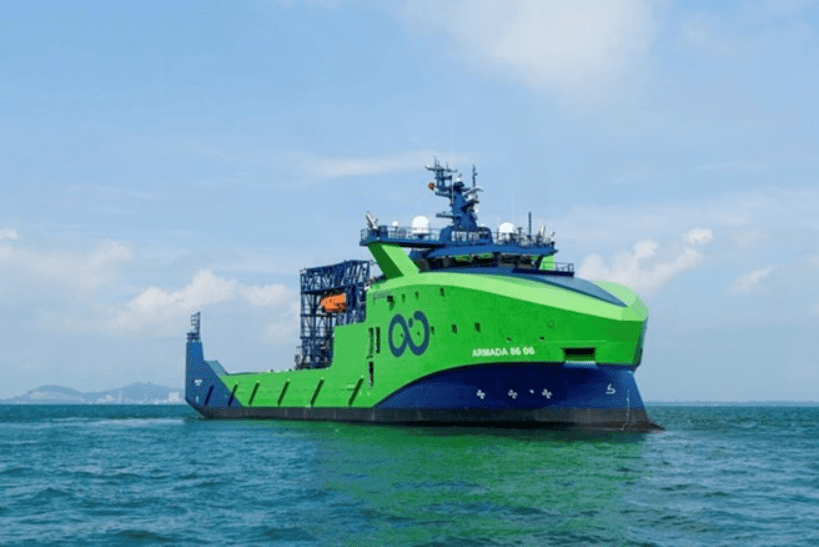
Photo: Ocean Infinity
The renewed search commenced in phases. The first brief phase ran from March 25 to 28, 2025, before weather interruptions. Operations resumed on December 30, 2025, using the advanced survey vessel Armada 8605 equipped with multiple Hugin Autonomous Underwater Vehicles (AUVs) for high-resolution seabed scanning. The targeted zone, based on refined data and expert analysis, focused on a previously unsearched portion of the southern Indian Ocean, roughly southeast of the 7th arc derived from satellite communications.
By early 2026, the effort covered approximately 7,571 square kilometers (about 2,923 square miles) across 28 operational search days. However, challenging weather and deteriorating sea conditions frequently disrupted progress. The second phase concluded prematurely on January 23, 2026, without any confirmed findings of aircraft wreckage. Malaysia’s Air Accident Investigation Bureau (AAIB) stated clearly: no discoveries had confirmed the plane’s location, though the government reaffirmed its commitment to keeping families informed with regular updates.
On the poignant 12th anniversary, the advocacy group Voice370—which represents many next-of-kin—issued a public statement expressing both gratitude for the government’s past decisions and urgent concern about the future. The group highlighted that the current contract with Ocean Infinity expires in June 2026. With southern hemisphere winter approaching, bringing harsher weather and making operations nearly impossible, it is unlikely the search could resume meaningfully before that deadline without an extension.
Voice370 called for a straightforward contract addendum to extend the timeline while preserving the original “no find, no fee” terms. They also urged Malaysia to open the same framework to other qualified deep-sea exploration companies, arguing this would maximize chances of success without unnecessary delays. “A simple addendum extending the contract period without altering the core terms of the agreement would allow the search to continue without delay,” the statement read.
The plea underscores the enduring pain of families who have waited over a decade for closure. Many have criticized perceived lack of transparency in earlier investigations, fueling ongoing frustration and calls for accountability. Yet the anniversary also highlighted persistent determination: from independent researchers refining drift models and signal analysis to official bodies maintaining dialogue.
As of March 2026, the MH370 mystery endures as a stark reminder of aviation’s vulnerabilities and the limits of current technology in vast, unforgiving oceans. Whether through an extended Ocean Infinity mission, involvement of new players, or future breakthroughs in data interpretation, the hope remains that one day the plane—and the truth—will be found, bringing answers to those who lost loved ones on that fateful night.(Word count: 912)Short Facebook caption:12 years on, MH370 remains missing. On this painful anniversary, families via Voice370 urge Malaysia to extend Ocean Infinity’s “no find, no fee” search beyond June 2026 and invite more experts—no more delays. Closure is long overdue. #MH370 #NeverForget #FindMH370