

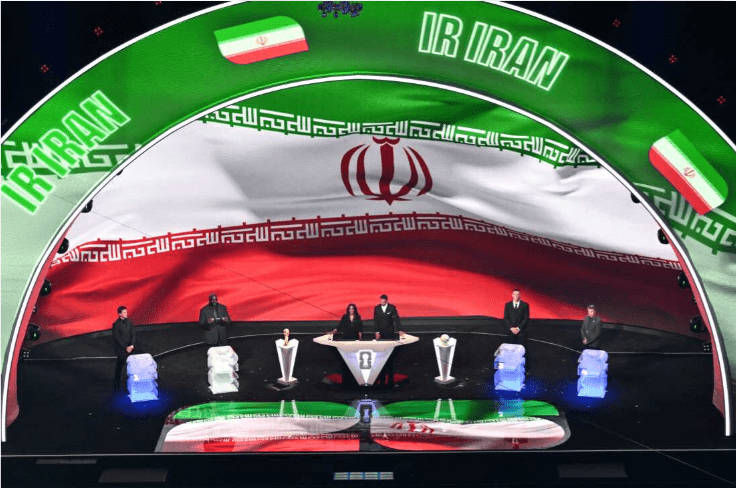
In a stunning development that has rocked the global sports community, Iran’s Sports Minister Ahmad Donyamali announced on March 11, 2026, that the national football team will not participate in the upcoming FIFA World Cup. This decision comes amid heightened geopolitical tensions following U.S. and Israeli airstrikes that resulted in the death of Supreme Leader Ayatollah Ali Khamenei, creating significant security concerns for the team.
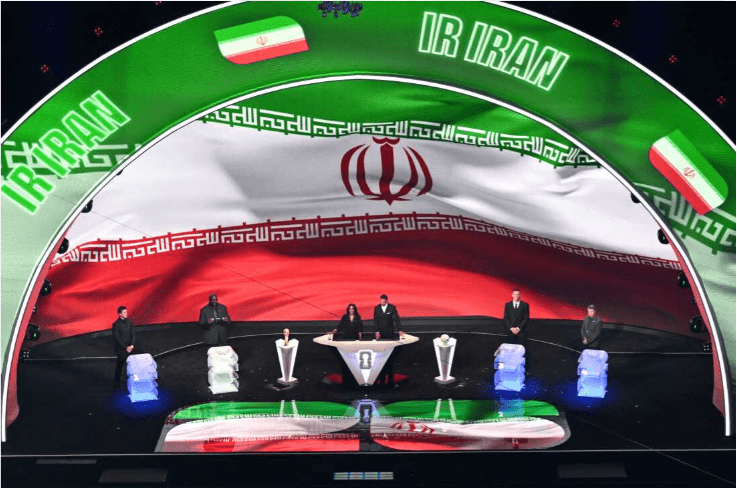
Iran had qualified as one of the early non-host teams and was placed in Group G, with matches scheduled in Los Angeles and Seattle in the United States. However, the ongoing conflict has made participation untenable. Minister Donyamali stated on state television: “Given that this corrupt regime has assassinated our leader and created extreme insecurity, we cannot participate in the World Cup. The players have no safety, and the conditions for participation simply don’t exist.”
The announcement has prompted discussions within FIFA about potential replacements or adjustments to the tournament format. According to FIFA regulations, the organization has the discretion to replace the withdrawing team or restructure the groups as needed. While no official replacement has been named yet, speculation includes teams from the Asian Football Confederation or others that narrowly missed qualification.
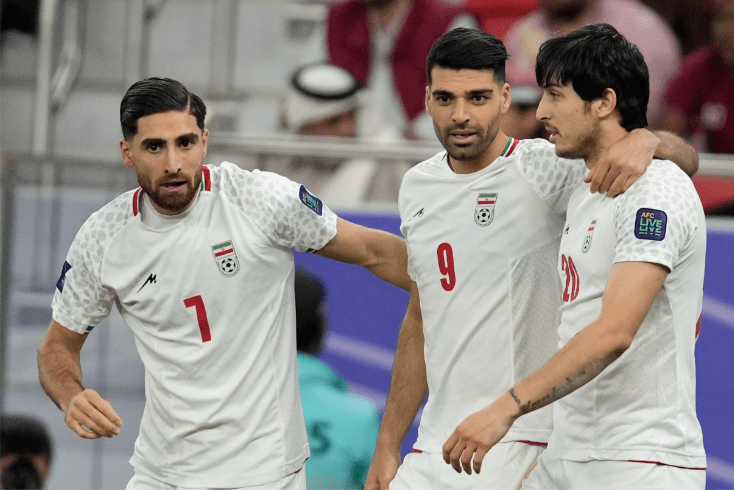
This withdrawal marks a rare occurrence in modern World Cup history, as no qualified nation has pulled out after the draw since 1950. FIFA President Gianni Infantino had reportedly received assurances from U.S. President Trump that Iran would be welcomed, but Iran’s government has firmly ruled out participation “under no circumstances”. The situation remains fluid, with potential implications for international sports diplomacy. As the World Cup approaches in just three months, fans and stakeholders worldwide are watching closely for FIFA’s next steps.