

Iran Achieves Near-Universal Youth Female Literacy: From 42% in 1976 to 99% in 2023.
In a remarkable transformation, Iran’s youth female literacy rate (ages 15-24) has soared from just 42% in 1976 to nearly 99% by 2023, according to the latest data from the World Bank and UNESCO Institute for Statistics.
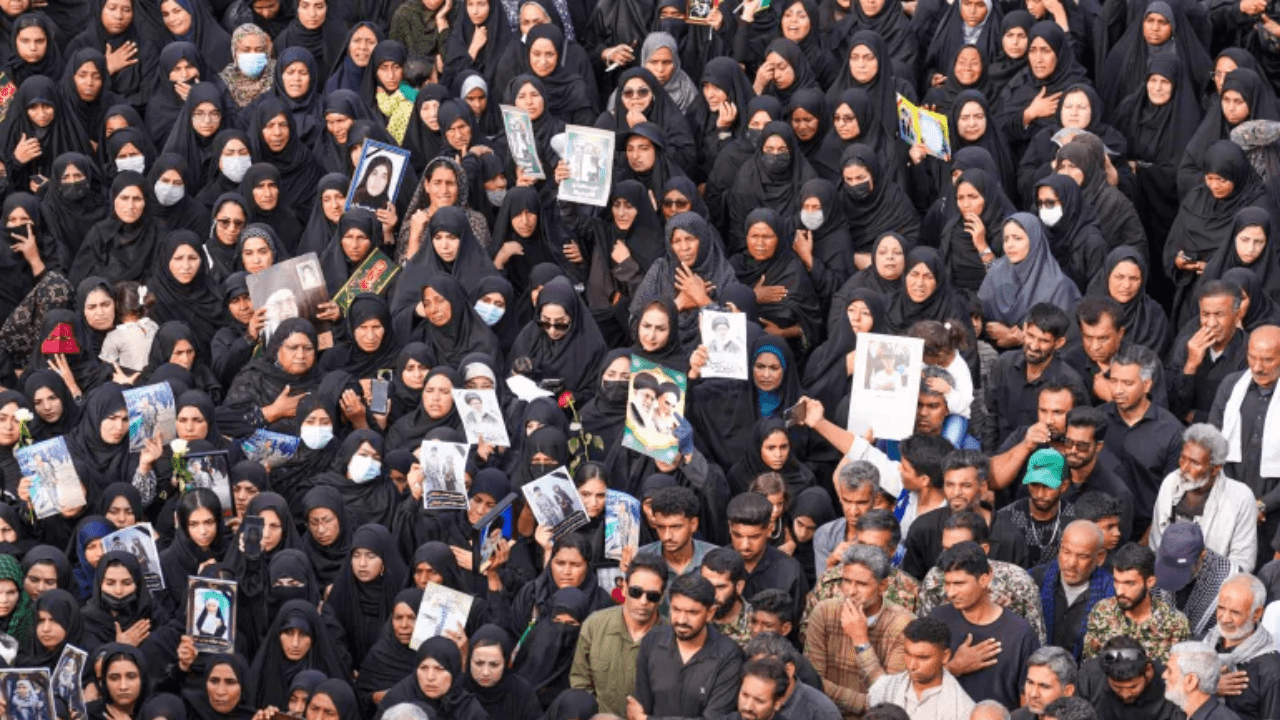
This represents a nearly 140% increase in less than five decades, highlighting one of the most significant educational advancements in the region. Adult female literacy (ages 15 and above) has also risen substantially, from 35.5% in 1976 to 85.1% in 2023, though it lags behind the youth figures. These statistics place Iran above the Middle East and North Africa regional average for adult female literacy, which hovers around 67%.
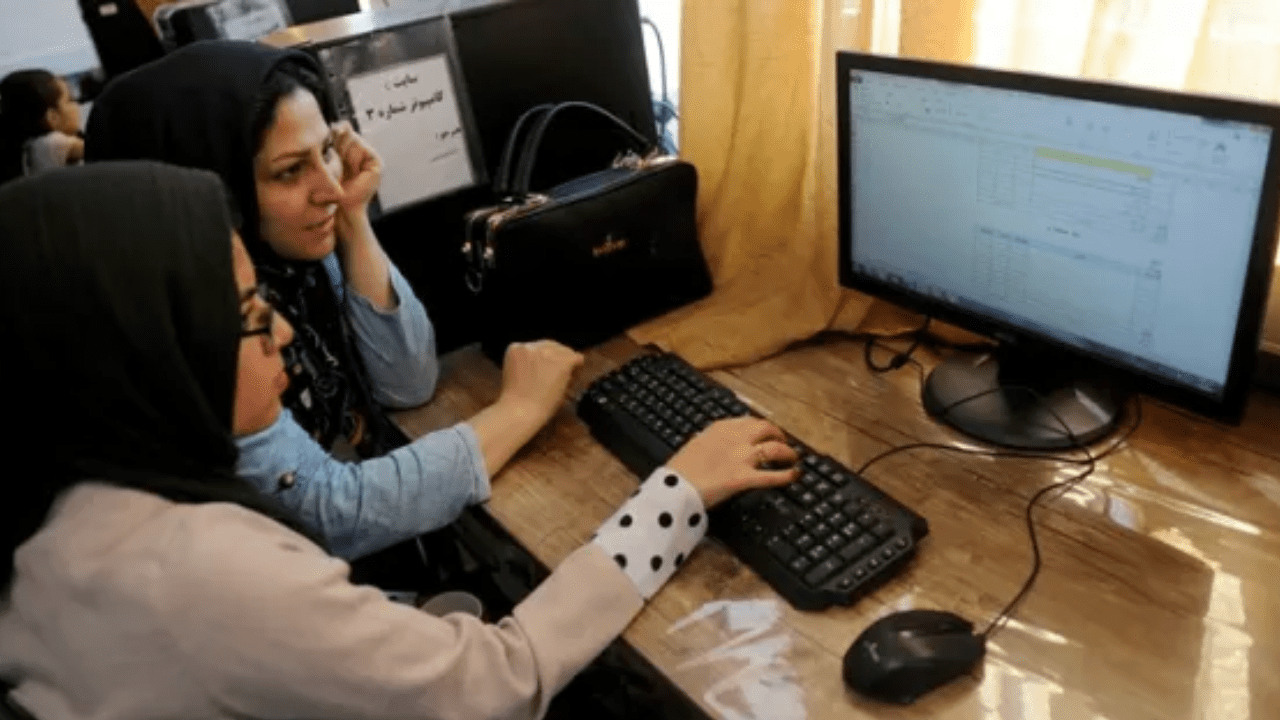
The surge in female literacy can be attributed to a combination of targeted government policies, societal shifts, and sustained investments in education following the 1979 Islamic Revolution. One key driver was the establishment of the Literacy Movement Organization in 1979, which launched massive nationwide campaigns aimed at eradicating illiteracy, particularly among adults and in rural areas where access for girls was historically limited. These programs included building separate schools for girls to align with cultural norms, mobilizing community volunteers, and integrating literacy with vocational skills like computer training—efforts that earned Iran a UNESCO Literacy Prize.
Post-revolution policies prioritized universal education, expanding primary and secondary school enrollments for females. By the mid-1980s, youth female literacy had already climbed to 65.6%, and by 1996, it reached 90.6%. Societal attitudes also evolved, with families increasingly valuing education for daughters as a pathway to empowerment and economic stability. Despite international sanctions that strained resources, the government’s commitment to free public education and rural outreach helped bridge urban-rural gaps, reducing disparities from 35 percentage points in the 1970s.
However, challenges persist. Millions of adults, especially older women in remote provinces, remain illiterate due to poverty, early marriages, and economic barriers. The pace of progress has slowed in recent years, and while youth literacy is near-universal, translating education into workforce participation remains an issue, with female labor force involvement still low at around 15-20%.
Iran’s story underscores how deliberate policy interventions and cultural adaptation can drive gender equity in education, offering lessons for other developing nations amid ongoing global efforts to achieve Sustainable Development Goal 4 on quality education.