

New York City’s Metropolitan Transportation Authority (MTA) rolled out its ambitious pilot program for modern fare gates in late 2025, aiming to curb the rampant fare evasion that costs the system an estimated $690 million annually.
The $7.3 million initiative introduced sensor-equipped, wider “paddle door” gates at 20 subway stations, designed to improve accessibility, speed up entry, and deter evaders by replacing traditional turnstiles with taller barriers. However, just months into the rollout, viral videos and eyewitness accounts reveal a persistent workaround: riders crawling underneath the gates, turning the high-tech upgrade into a punchline for frustrated commuters. The gates, tested at stations like Broadway/Lafayette and Third Avenue-138th Street, feature glass doors that open upon tapping an OMNY card or MetroCard.
MTA officials hailed them as a step toward modernizing the subway, with plans to expand to 150 stations by 2026 and beyond.
Yet, early hiccups have been dramatic. On Christmas Day 2025, a suspected fare-beater got her neck trapped in the closing doors at Broadway/Lafayette, requiring technicians to free her, while another rider was photographed army-crawling under the barriers at the same station.
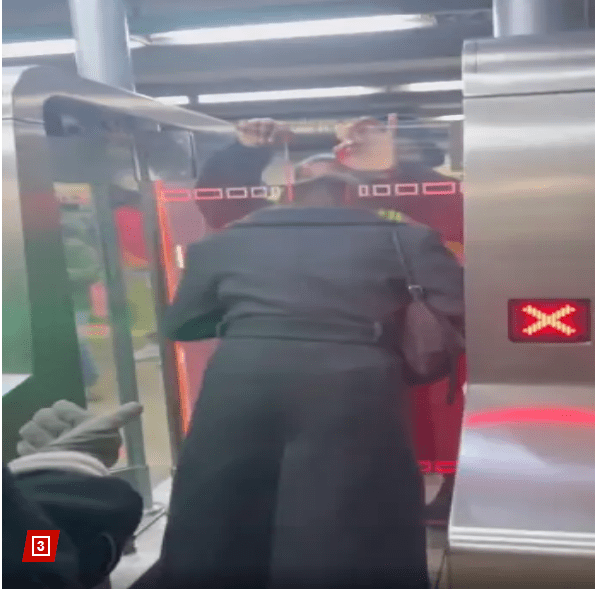
Despite claims of reduced evasion—officials noted a dip in 2025—the Citizens Budget Commission projected savings of about $100 million that year, far short of closing the gap.
Critics argue the gates address symptoms rather than root causes, like poverty and inconsistent enforcement. Fare evasion remains a hot-button issue, with methods evolving from jumping turnstiles to slipping through emergency exits or now, the undignified crawl.
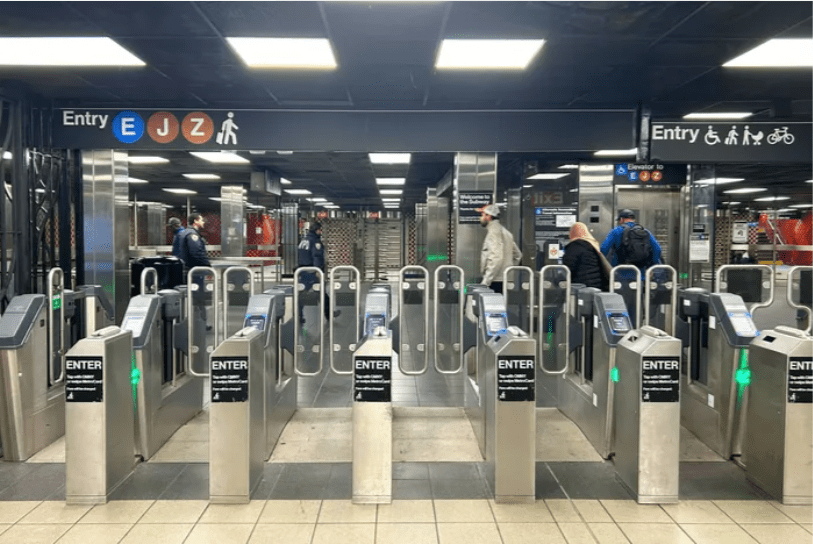
New MTA fare gates at Sutphin Boulevard station, part of the pilot program aimed at reducing evasion while improving accessibility.
New Yorkers’ opinions on the gates are sharply divided, reflecting broader frustrations with the subway system. Many riders appreciate the intent but decry the execution. One X user, Hill Wagan, noted that while zero evasion is impossible, the gates are “too slow” and previously made “an insanely loud and obnoxious noise,” though fixes may have been implemented.
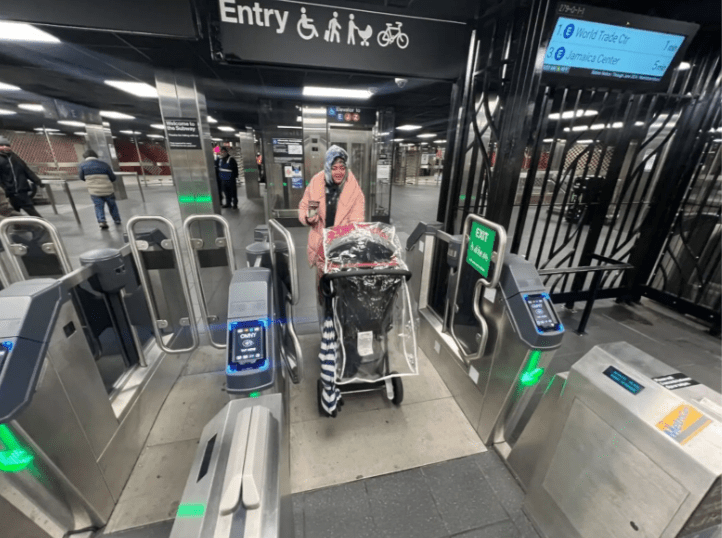
A commuter with a stroller navigates the new wide fare gates, highlighting improved accessibility amid ongoing evasion challenges.
Protests and debates underscore deeper inequities. Groups have rallied against fare hikes and policing, with signs like “Being Poor is Not a Crime,” arguing that fining evaders doesn’t enhance safety. International perspectives, like from Sy Marcus Herve Traore, contrast NYC’s lax enforcement with stricter systems elsewhere, noting evasion’s heavy toll on the city. As the MTA pushes forward, the crawling evaders symbolize a city grappling with innovation versus reality. Will taller spikes or fins—already jumped over in early 2025—finally stem the tide? Or will New Yorkers continue finding creative, if comical, ways around? For now, the subway’s “Fare Evasion Olympics” show no signs of ending.
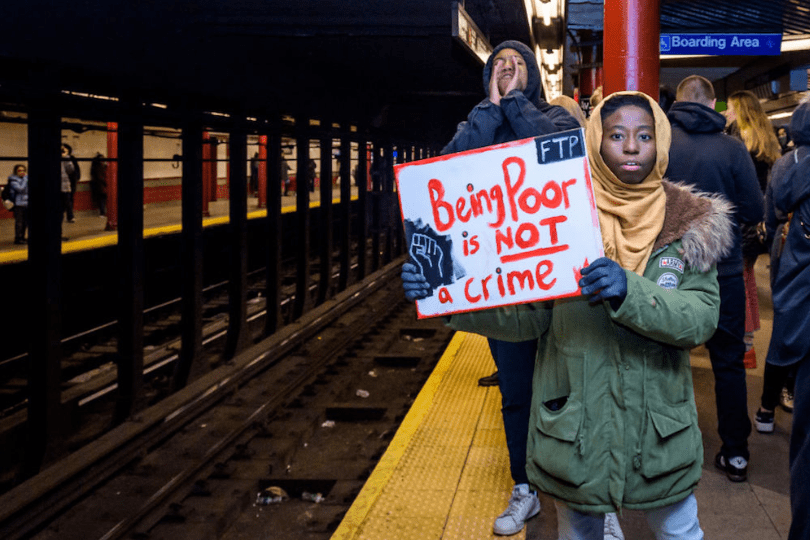
Demonstrators highlight the criminalization of poverty in fare evasion crackdowns.