

In a stunning turn of events that has sent shockwaves through global energy markets, WTI crude oil prices plummeted by $15 per barrel in less than two hours on Monday, March 9, 2026, dipping below the $104 mark. This sharp decline was triggered by reports that G7 finance ministers are deliberating a coordinated release of up to 400 million barrels from strategic petroleum reserves, aimed at countering the surging prices fueled by heightened geopolitical tensions in the Middle East. The emergency discussions, involving the International Energy Agency (IEA), underscore the fragility of the global oil supply chain amid the ongoing conflict between the United States, Israel, and Iran.
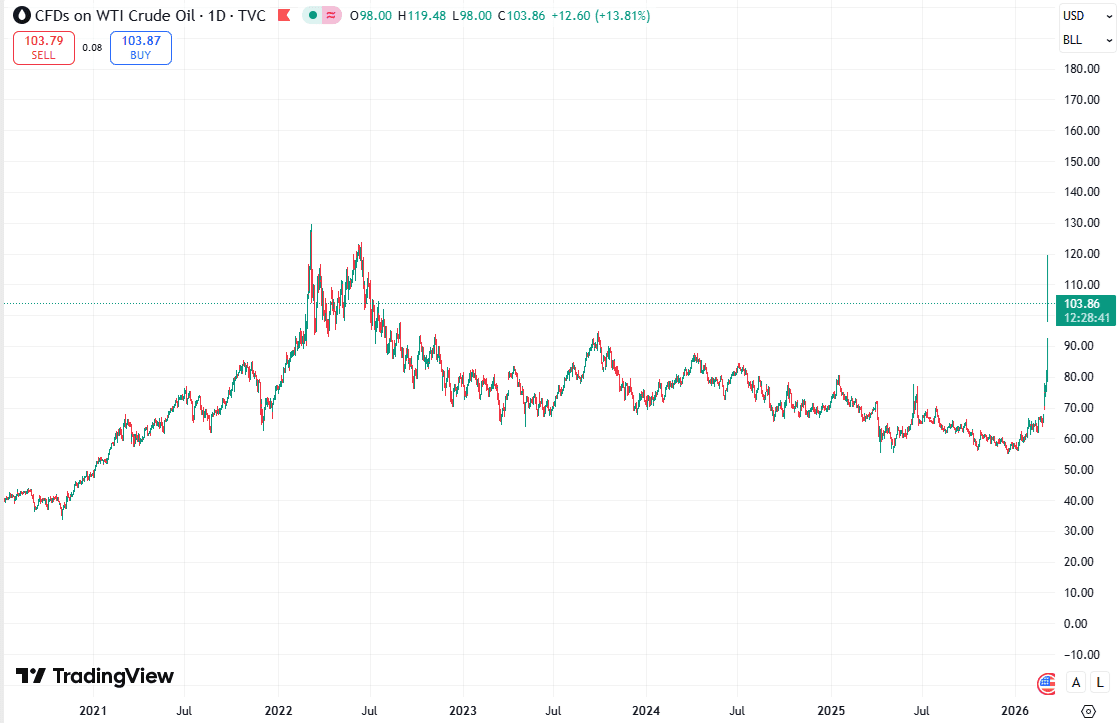
The backdrop to this market turmoil is a rapidly escalating war in the Gulf region. Just a week ago, oil prices had surged dramatically following major military strikes by the US and Israel on Iranian targets, igniting fears of widespread disruptions to oil production and transportation. Brent crude, a global benchmark, had climbed over 24% in recent sessions, briefly topping $116 per barrel, while WTI reached highs around $119. Analysts attribute this spike to concerns over the Strait of Hormuz, a critical chokepoint through which approximately 20 million barrels of oil per day—about one-fifth of global consumption—transit. Iran’s threats to block the strait in retaliation have amplified supply risks, pushing prices to levels not seen since the early 2020s energy crises.
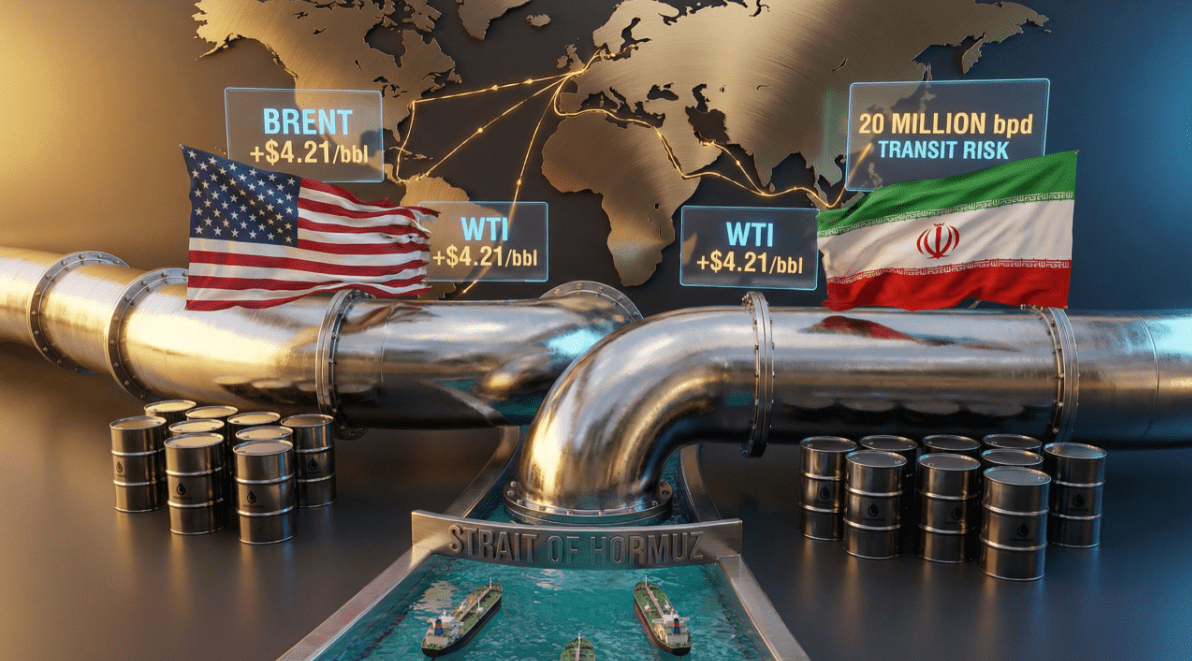
Image: discoveryalert
The G7’s potential intervention represents a significant policy shift, particularly under the Trump administration, which had previously resisted tapping into emergency reserves for price control. According to sources cited by the Financial Times, the finance ministers convened an urgent teleconference with IEA Executive Director Fatih Birol to evaluate the impact of the Iran conflict on global markets. At least three G7 nations, including the United States, have voiced support for releasing between 300 million and 400 million barrels—equivalent to 25-30% of the IEA’s total 1.2 billion barrel reserve capacity. This move, if approved, would dwarf previous releases, such as the 60 million barrels coordinated by the IEA in 2022 in response to Russia’s invasion of Ukraine.
Market reactions were immediate and intense. As news of the discussions leaked, traders began selling off positions, leading to the rapid price drop. Brent crude eased to around $110, and WTI settled near $107 by midday. However, experts caution that this relief may be short-lived. “The market hears ‘400 million barrels’ and sells oil, but I hear ‘the problem is big enough that they’re reaching for emergency reserves,'” noted one trader on social media platform X, echoing a sentiment shared by many in the industry. Indeed, a release of this magnitude equates to roughly four days of global oil consumption—a mere “drop in the bucket,” as another commentator put it, especially if infrastructure in the region continues to be targeted.
Historical precedents offer mixed lessons. During the 2022 energy crisis, a similar coordinated release helped stabilize prices temporarily, but it also highlighted the challenges of replenishing depleted stocks. The US Strategic Petroleum Reserve (SPR), already at historic lows due to prior drawdowns, could face further strain. Current US reserves stand at levels not seen since the 1980s, raising questions about long-term energy security. Refilling these reserves would require purchasing oil at potentially higher future prices, adding to fiscal burdens. Moreover, with Russia’s oil exports holding steady despite sanctions—reaching 8.2 million barrels per day in January 2023—the global supply landscape remains precarious.
The broader economic implications are profound. Rising oil prices have already contributed to inflationary pressures worldwide, affecting everything from gasoline costs at the pump to airline fares and manufacturing expenses. In the US, where energy independence has been a political rallying cry, the conflict has reignited debates over domestic production. The Biden administration’s earlier releases from the SPR were criticized for politicizing reserves, and now, under Trump, a similar strategy risks alienating oil-producing states. Globally, emerging economies like India and China, heavy importers of Middle Eastern oil, stand to benefit from any price stabilization but could suffer if the conflict escalates further.
Analysts from firms like JPMorgan have warned that in a worst-case scenario—such as a full blockade of the Strait of Hormuz—prices could soar toward $130 per barrel or higher. This would exacerbate the ongoing recovery from the post-pandemic economic slowdown, potentially tipping some regions into recession. On the flip side, the G7’s action could signal a unified front against geopolitical manipulations of energy markets, deterring further aggression. “When energy markets require policy intervention, financial regimes tend to change soon after,” observed Meridian Signal, a strategic intelligence account on X, pointing to historical shifts following similar crises.
Looking ahead, the IEA projects global oil demand to rise by about 2 million barrels per day in 2023, driven largely by Asia-Pacific growth, including a resurgent China. Supply, however, may lag if non-OPEC+ production doesn’t ramp up sufficiently. OPEC+ has maintained its reduced output ceiling through 2023, with Russia announcing a voluntary cut of 500,000 barrels per day in March amid placement challenges for its barrels. This dynamic could lead to a supply deficit in the second half of the year, even with the proposed release.
In conclusion, the G7’s consideration of a massive reserve drawdown is a bold but temporary measure in the face of enduring geopolitical risks. While it has provided immediate market relief, the underlying issues—rooted in the volatile Middle East conflict—demand sustainable solutions, including diversified energy sources and diplomatic efforts to de-escalate tensions. As the world watches the emergency meeting’s outcome, one thing is clear: the era of stable, affordable oil may be increasingly elusive in an interconnected yet fractured global landscape.