

Amid the escalating conflict between the US-Israel and Iran, which has severely disrupted shipping through the Strait of Hormuz, Russia is emerging as one of the biggest beneficiaries in the global energy market.
According to an exclusive analysis by the Financial Times, Russia is now earning an additional approximately $150 million per day from oil exports. This surge is driven by Urals crude prices jumping to $70–80 per barrel (compared to an average of around $52 per barrel in the prior two months). The spike stems from intensified demand from major markets like India and China, as Middle Eastern supply faces severe bottlenecks due to the near-blockade of the Strait of Hormuz.
In just the first 12 days of the intensified conflict, Russia has reportedly pocketed an extra $1.3 to $1.9 billion in oil export taxes. If prices remain elevated, additional monthly revenue by the end of March could reach $3.3–4.9 billion, based on industry data and analyst estimates.
This financial boost marks a significant turnaround for Moscow despite ongoing Western sanctions. Higher oil prices have largely erased the discounts Russia previously faced, providing a substantial influx of budget revenue to support national priorities—including military spending.
Dramatic silhouette of an offshore oil rig at sunset, highlighting the energy sector’s critical role amid rising global demand.
While the world grapples with energy inflation and supply chain risks, Russia—with its stable and unaffected oil production—has positioned itself as a key alternative supplier. The Strait of Hormuz crisis once again exposes the fragility of global energy systems and underscores Russia’s pivotal role in shaping oil prices during periods of high geopolitical tension.
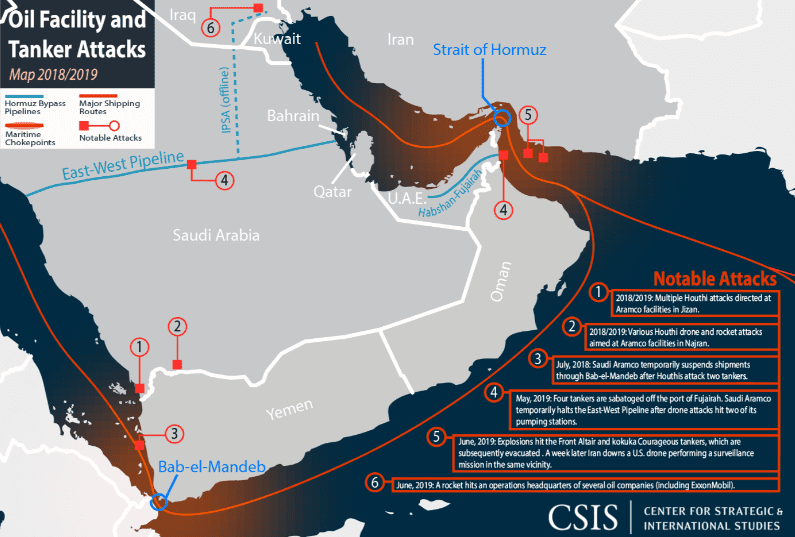
Map illustrating the strategic importance of the Strait of Hormuz and key oil routes in the Persian Gulf, where disruptions have driven up prices and benefited alternative exporters like Russia